Independent concept · Davenport to Wilder Ranch

Two wheels.
One rail.
One coast you
have never seen
this way.

A guided electric-assist railbike experience proposed for the historic 7.5-mile coastal corridor between Davenport and Wilder Ranch.

7.5Miles of coastal rail
2Vehicle formats
10Guests per departure, pending review
1Small, reversible pilot

The proof of possibility

The moment the idea becomes obvious.

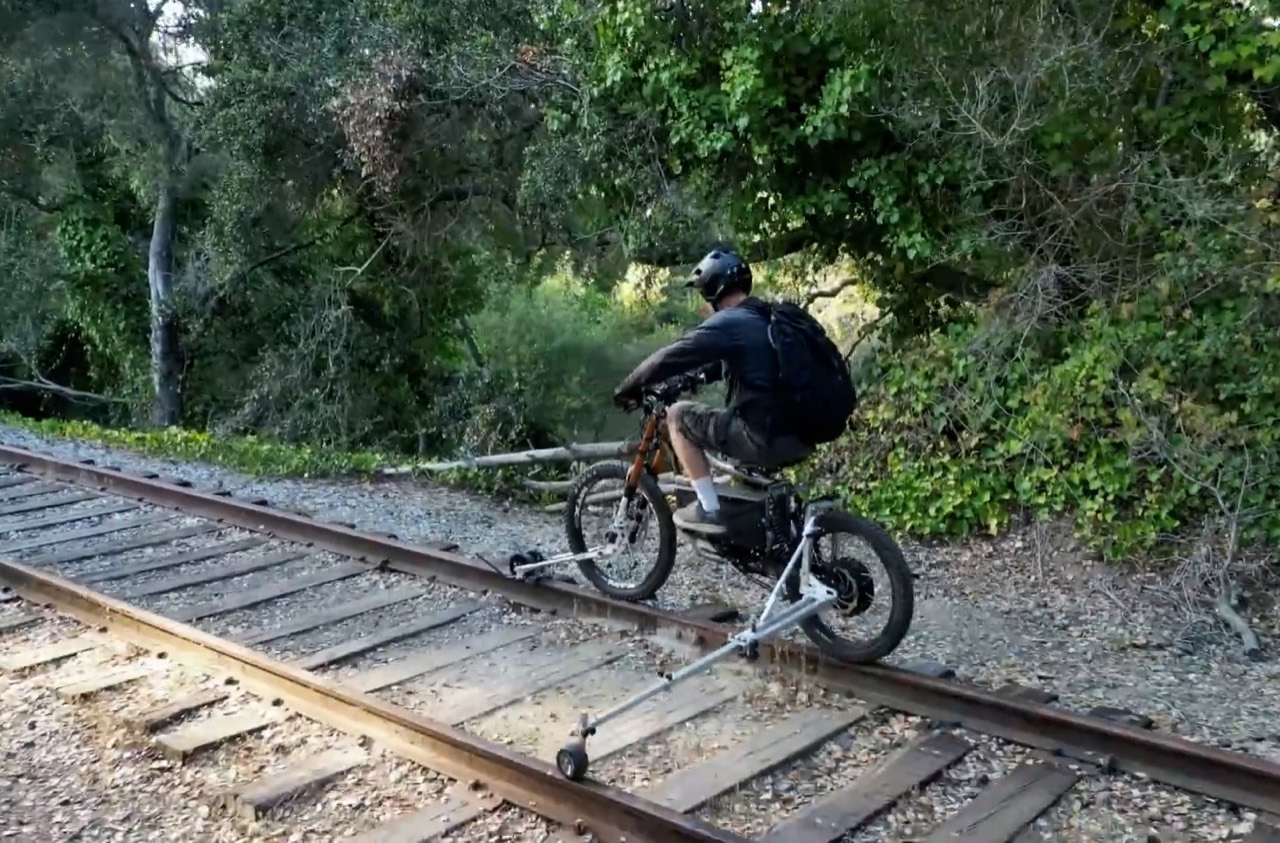
Cam Engineering traveled this exact Central Coast corridor on a lightweight electric bike with retractable rail guides. The ride demonstrates the experience—not legal access, commercial readiness, or track safety.

Short edit by Mitch Eason, using excerpts from Cam Engineering's original video.

The target corridor

Davenport to Wilder Ranch, one rail at a time.

The corridor runs beside the developing public trail through one of the county's most memorable landscapes. Final staging, loading, turnaround, and return movements would be selected with the responsible agencies.

Loading corridor map

Tracing Davenport to Wilder Ranch.

Traced0.0 of 7.5 mi

Illustrative operating concept

Small by design. Specific enough to test.

A working model for discussion—not a fixed operating plan. Capacity, timing, staffing, and frequency would be refined through technical review and agency guidance.

Up to 10Guests
Per departure, pending vehicle and safety review
2Guides
A trained lead and sweep
90–120Minutes
Target experience length
3–4Departures
Per operating day

The initial concept is a guided out-and-back journey between Davenport and Wilder Ranch, with final distance, turnaround, and staging determined by corridor conditions and the responsible agencies.

The immediate ask

Help us define the responsible next step.

We're asking SCCRTC and Santa Cruz County Coastal Rail to identify the appropriate lead, the feasibility questions that need to be answered, and the conditions for a future authorized inspection or controlled demonstration.

Who should lead the review? What would you need to see before authorizing an inspection or controlled demonstration? If the evidence supports moving forward, what structure would fit a limited pilot?
Continue the conversation

One corridor, two experiences

Adventure when you want it. Togetherness when you need it.

The basic safety approach stays the same either way: controlled windows, trained lead and sweep guides, defined spacing, a safety briefing, and an approved return plan.

01The distinctive format
Rider demonstrating a removable rail-guide assembly on an electric bicycle
Frame from Cam Engineering video

Railbike Adventure

Individual electric bicycles with engineered, retractable rail-guide assemblies. Lighter, more active, small-group—with potential for flexible off-corridor staging where lawful.

  • Small guided group
  • Active, personal experience
  • Mobile equipment model
  • Prototype review required
02The established format
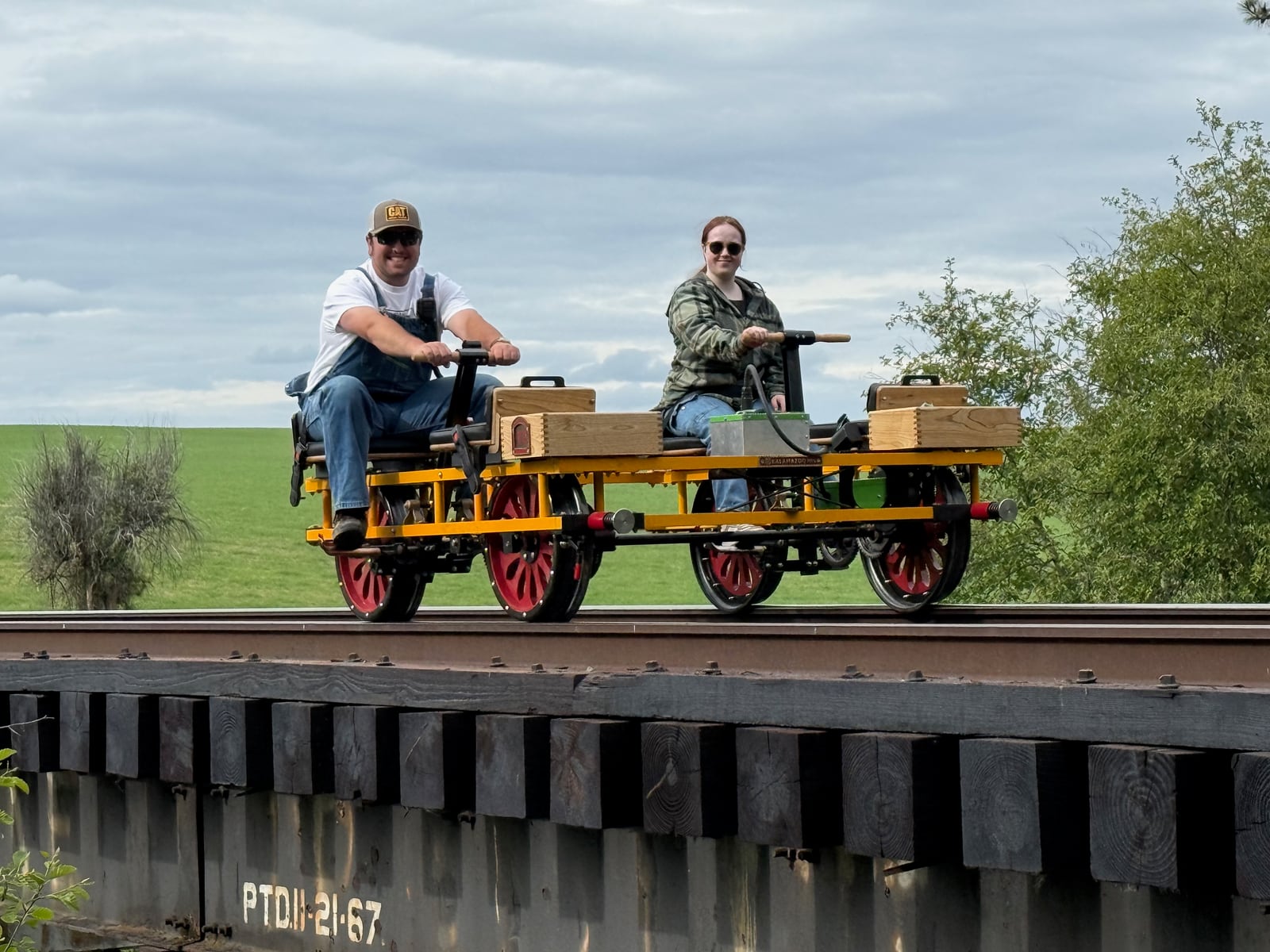
Two riders seated on a yellow handcar on railroad tracks

Coastal Rail Cars

Two- or four-seat electric-assist rail vehicles for couples, families, mixed-age groups, and guests who prefer to travel together.

  • Proven commercial category
  • Shared family experience
  • Broader accessibility potential
  • Higher-capacity tour option
1905

Construction begins

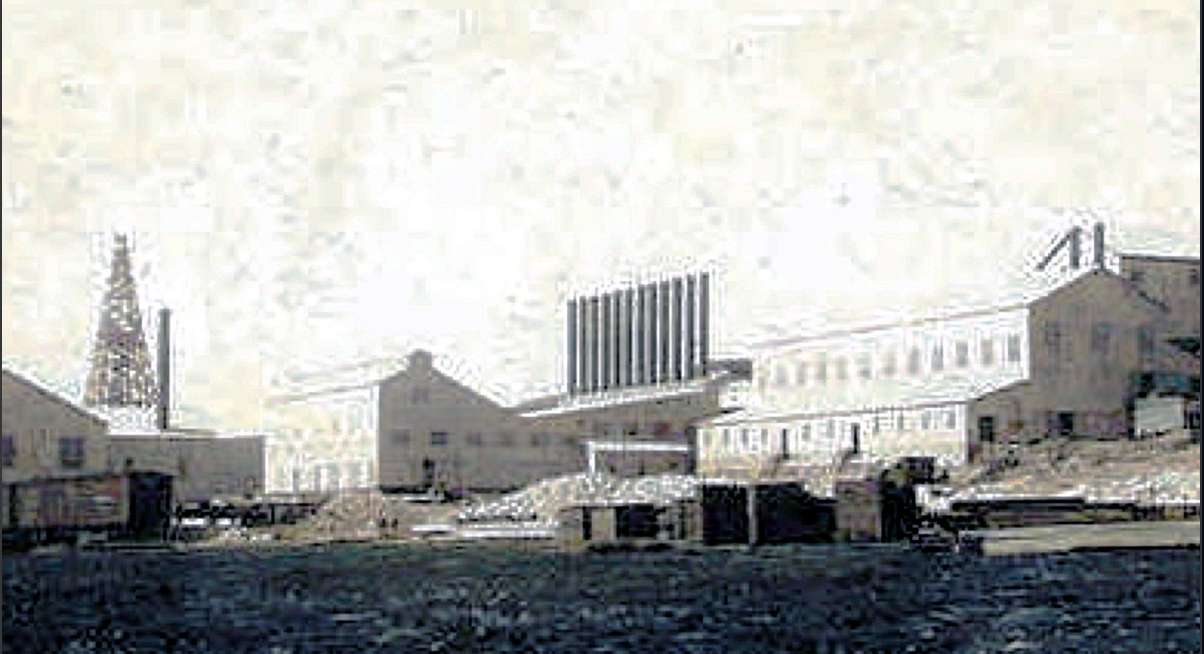
Davenport cement works industrial buildings and equipment in 1907
Davenport cement works, 1907. Construction began in 1905; the plant entered operation two years later.

A railroad that helped build the West.

The Davenport Branch Line was developed to serve the coastal cement works, where construction began in 1905 and operations started in 1907. Material moving through this corridor was associated with rebuilding San Francisco after the 1906 earthquake, and with landmark projects including the Panama Canal and the Golden Gate Bridge.

A guided journey can interpret the cement works, coastal agriculture, railroad engineering, natural history, and the corridor's evolving public future. This is a living-history experience—not an amusement ride.

Cement worksIndustry
Coastal terracesNatural history
Branch-line engineeringRailroad
Designed for flexibility

Start with the corridor. Keep the staging light.

The concept does not depend on a new depot or a single loading point. Three models stay open until the agencies and the technical work identify the safest fit.

01

Rail-adjacent

A compact loading point at an approved existing access area.

02

Off-corridor hub

Store and prepare equipment away from the rail, then transport it in.

03

Ride-in bike

A dual-mode bike reaches the loading point in ordinary road configuration—only where the equipment, route, and use are lawful.

A controlled pilot

Prove it in steps. Preserve every public option.

Deliberately reversible: no long-term encumbrance, no presumed exclusivity, and a clear stop-or-modify decision after real evidence.

  1. 00Feasibility

    Define the path

    Authority and agreement structure, track and structure inspection, vehicle engineering, staging, environmental review, insurance, emergency response, and corridor-readiness scope.

  2. 01Demonstration

    Test one thing at a time

    A controlled, non-public demonstration with one or two bikes and qualified rail oversight; separately test a multi-seat vehicle if supported.

  3. 02Seasonal pilot

    Operate small and visibly

    Limited departures, defined safety and service standards, public reporting, local-access rides, and a revocable agreement.

  4. 03Evaluate

    Let evidence decide

    Continue, modify, select an appropriate long-term structure, relocate, or end—based on safety, community fit, accessibility, ridership, and public return.

Public return

A locally operated concept built around public value.

Revenue

Potential agreement revenue under the agency’s preferred structure.

History

Guided interpretation of the corridor and the Davenport cement story.

Access

Local, school, and nonprofit opportunities alongside the free public trail.

Jobs

Seasonal guide, maintenance, and guest-service work.

Stewardship

Structured eyes-on-the-corridor reporting under an approved scope.

Optionality

A short agreement that preserves trail, freight, and future passenger-rail plans.

Proven category, local diligence

Railbikes work elsewhere. Santa Cruz still deserves its own answer.

Public-agency partnerships and California operators establish precedent, not automatic approval. The local corridor, vehicles, agreements, and safeguards must be evaluated on their own facts.

New York

Ulster County

County-owned corridor, competitive selection, five-year tourism railbike permit.

West Virginia

Elk River

State-owned railroad partnership and a 12-mile electric-assist round trip.

California

Skunk Train

Guided electric railbikes on an established coastal heritage railroad.